
Perhaps you limit the days you drink, plan more social outings without alcohol, or explore relaxation strategies to replace the “unwind with a drink” habit. After drug addiction all, waking up feeling refreshed and hydrated is far more enjoyable than finding yourself in a puddle of sweat, regretting last night’s choices. Individual tolerance and metabolism are significant factors in how one’s body responds to alcohol. People with higher alcohol tolerance may be less prone to night sweats, as their bodies are more accustomed to processing alcohol. Conversely, those with lower tolerance or who drink infrequently might experience more pronounced effects, including night sweats.
Common Experiences Linking Alcohol to Night Sweats
Whether you’re in the early stages of quitting alcohol or have tried before and need a more structured approach, we’re here to help. Trying to manage withdrawal alone can increase the risk of relapse, trauma, or medical emergencies. If you’re unsure whether you need help, reach out to a trusted provider or detox center for a confidential consultation.

Night Sweats as a Byproduct of Alcohol Metabolism
It’s important to know that sweating right after drinking is different from the sweats you get when you’re going through alcohol withdrawal. The immediate sweating happens while your body is still dealing with the alcohol. Withdrawal sweats usually start later, hours after you’ve stopped drinking, as your body gets used to not having alcohol anymore. Remember, if you experience night sweats occasionally, seek a thorough medical evaluation.
How Long Does it Take For Alcohol to Take Effect & How long Does it Last?
Usually, sweating is no more than an unsightly (and smelly) effect of drinking. But sometimes, it can be a sign of more serious conditions like alcohol withdrawal or alcohol intolerance. Alcohol impacts your circulatory system, causing the blood vessels in your skin to dilate and your heart rate to increase. The length and severity of symptoms differ for everyone, shaped by health status, frequency of alcohol use, and personal factors.
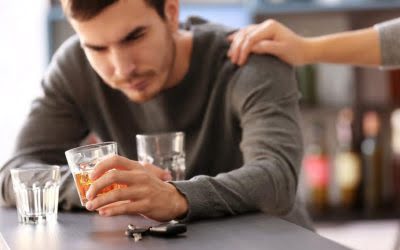
Cold Sweats and Alcohol Withdrawal
In this guide, we’ll explore what causes alcohol night sweats, how to recognise alcohol related night sweats, and when to seek professional help. For many people, these night sweats begin during the excessive sweating after drinking second half of the night, typically 2-6 hours after their last drink as blood alcohol levels start to fall. The intensity can range from mild dampness to waking up completely drenched. It can happen if you have an alcohol use disorder, binge drink, or even if you’ve only had one drink.
Other reasons alcohol might induce sweating:
Night sweats are one of the many withdrawal effects that make quitting alcohol so difficult without medical supervision. Trying to detox alone puts the individual at risk of dangerous dehydration, seizures, and even death. Comprehensive alcohol detox programs provide a safe, medically-managed environment to stabilize and treat alcohol withdrawal symptoms like sweating, shakes, and anxiety. They may be related to alcohol intolerance, binge drinking, or alcohol metabolism.
Anxiety
As your body clears alcohol from your system, it begins to reset its internal chemistry. This rebalancing process affects neurotransmitters like GABA and glutamate, which are heavily involved in both mood and physical symptoms. The sweating is a physical representation of this intense internal effort—a sign that your system is working hard to stabilize without alcohol. When overloaded, it struggles to process alcohol efficiently, causing the body to work harder and produce more heat. Drinking also interferes with sleep cycles and https://javierbayon.com/sober-living/alcohol-s-psychological-impact-behavior-and-mental/ may lead to fragmented, shallow rest.
When it comes to alcohol consumption, there are certain risks and complications that can arise, including the potential for night sweats. Two specific concerns related to alcohol-induced night sweats are delirium tremens (DT) and alcohol intolerance. It’s important to note that night sweats after drinking alcohol do not affect everyone. The occurrence of night sweats can vary depending on factors such as individual metabolism, hydration levels, and the amount of alcohol consumed.
- As a result, you could start sweating, especially if you’re in a warm environment or dehydrated.
- It is important to differentiate between alcohol-induced night sweats caused by alcohol intolerance and general night sweats that can occur as a result of alcohol consumption.
- Sweating after consuming caffeine is a normal physiological response for most people.
- Alcohol’s ability to alter the body’s heat regulation mechanisms significantly contributes to the occurrence of night sweats.
Still, Glasser says, it’s important to see a doctor, and work closely together on the problem. Excessive sweating should not interfere with your quality of life at work, at home, or in your personal relationships. When you consume a lot of alcohol, your body struggles to break it down efficiently, and some leftover ethanol ends up in your sweat and urine. If you drink heavily and often, you may sweat for no reason other than constantly trying to metabolize and rid your body of copious amounts of alcohol.