
The cultural significance of casinos in modern society
Historical Context of Casinos
Casinos have been a part of human culture for centuries, evolving from informal gambling gatherings to sophisticated establishments. Their historical roots can be traced back to ancient civilizations, where games of chance were played for entertainment and socialization. In modern times, casinos have become symbols of both excitement and controversy, reflecting societal attitudes toward gambling. In fact, even in today’s landscape, the emergence of a crypto casino illustrates how technology continues to shape this industry.

The transformation of casinos through the ages highlights their ongoing cultural relevance. From the opulent palaces of Monte Carlo to the bustling floors of Las Vegas, casinos serve not only as places to gamble but also as centers of social interaction and community engagement.
Economic Impact of Casinos
Casinos play a significant role in local and national economies. They generate substantial revenue through taxation, create job opportunities, and promote tourism. Many regions rely on casinos as a primary source of income, leading to infrastructural development and enhancements in public services.
Furthermore, the economic benefits extend beyond direct financial contributions. The presence of casinos often stimulates growth in related industries, such as hospitality, entertainment, and retail, fostering a vibrant economic ecosystem that benefits a wide array of stakeholders.
Social Dynamics and Casinos
Casinos are unique social spaces that attract diverse groups of people. They offer a blend of entertainment, competition, and leisure, allowing individuals from various backgrounds to gather and engage in shared experiences. The social atmosphere often fosters a sense of community among patrons, where connections are made through shared interests in gaming and entertainment. Nevertheless, issues related to gambling addiction and responsible gaming highlight the need for awareness and education about gambling.
However, the social dynamics in casinos can also raise concerns. The balance between enjoyment and the potential risks associated with gambling is crucial in fostering a positive social environment.
Cultural Representations of Casinos
Casinos have a prominent presence in popular culture, often depicted in films, literature, and music. These representations shape public perceptions and attitudes toward gambling, either glamorizing the casino experience or highlighting the darker aspects of addiction and loss. The duality in cultural portrayals contributes to the complex narrative surrounding casinos in society.
Additionally, casinos have become venues for artistic expression and entertainment, hosting performances, exhibitions, and events that enrich the cultural landscape. This multifaceted role further solidifies their significance within modern culture, reflecting a blend of tradition and contemporary values.
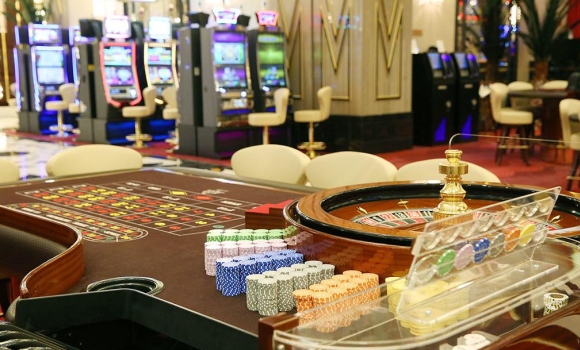
Connecting Through Technology
The evolution of technology has transformed the casino experience, both online and in physical locations. Advancements in gaming technology, such as virtual reality and mobile apps, have made gambling more accessible and engaging. These innovations reflect a shift in how society interacts with casinos, catering to a younger, tech-savvy audience.
Websites like SyntouchInc.com showcase the technological advancements aimed at enhancing user experience within the casino industry. As online gaming continues to rise, the integration of technology into gambling culture underscores the need for modern solutions that prioritize user engagement and operational efficiency, ensuring that casinos remain relevant in an ever-changing landscape.